How Vinyl Floor Tiles Can Enhance Commercial and Residential Spaces
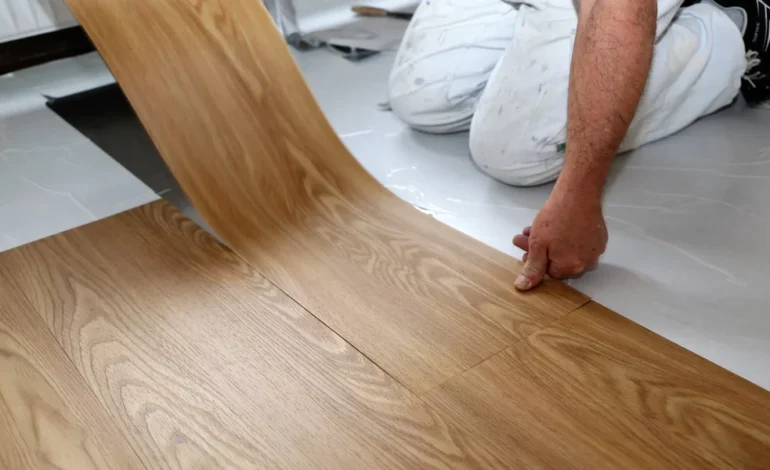

Vinyl floor tiles have quietly revolutionized both commercial hotspots and cozy homes. Their ascent isn’t random, these tiles solve challenges that wood, tile, and laminate often can’t. What makes vinyl stand out, and why are so many designers and property managers swapping traditional floors for this modern alternative?
Comparing Vinyl Floor Tiles with Other Flooring Options
Vinyl isn’t just a budget pick anymore. Today’s offerings rival high-end hardwood and ceramic for looks, but the differences run deeper.
Durability and Maintenance: Vinyl vs. Hardwood and Ceramic
Hardwood scratches, chips, and warps with water, while ceramic cracks under heavy impact. Vinyl, on the other hand, shrugs off spills, shoes, and scuffs. Its protective wear layer means less worry about furniture legs, dropped items, or busy foot traffic. Maintenance is straightforward, just regular sweeping and occasional damp mopping.
Cost Efficiency: Vinyl Compared to Laminate and Tile
When budgets are tight, every dollar counts. Vinyl’s upfront price typically undercuts both hardwood and stone tile, and even laminate. Add in lower installation labor and reduced long-term upkeep, and the savings multiply.
| Flooring Type | Avg. Material Cost per sq. ft. | Installation Cost per sq. ft. | Typical Lifespan |
|——————|——————————-|——————————-|——————|
| Hardwood | $6 – $12 | $4 – $8 | 20-30 years |
| Ceramic Tile | $3 – $10 | $5 – $10 | 20-40 years |
| Laminate | $1 – $5 | $2 – $4 | 10-20 years |
| Vinyl Floor Tile | $2 – $6 | $1.50 – $3 | 15-25 years |
Installation Methods: DIY Potential and Professional Requirements
Vinyl’s click-lock and loose lay formats are DIY-friendly, even for first-timers. Compare this to the demanding expertise needed for tile or hardwood, and vinyl’s faster, cleaner installation stands out, especially during quick commercial remodels.
Enhancing Commercial Spaces with Vinyl Floor Tiles
Office lobbies, boutique retail, restaurants, vinyl adapts to them all. Its charm isn’t just skin-deep.
Aesthetic Versatility for Various Business Types
Vinyl tiles mimic natural wood, concrete, and stone with uncanny accuracy. Businesses can shift from urban chic to rustic warmth simply by changing colorways or textures, avoiding the need for costly renovations.
Performance Under High Foot Traffic
Gyms, shopping corridors, and classrooms put floors through the wringer. Vinyl’s resilience means less visual wear, fewer replacements, and spaces that look fresh year-round.
Safety Features: Slip Resistance and Comfort
Built-in slip resistance helps prevent accidents in busy environments. Plus, a little bounce underfoot makes standing for hours less taxing, think bank tellers, shop staff, or receptionists.
Case Studies: Retail, Hospitality, and Offices
Several modern offices have used luxury vinyl planks to foster a residential, welcoming vibe, while restaurants benefit from waterproof, stain-resistant tiles that handle spills and crowds with ease.
Transforming Residential Interiors Using Vinyl Floor Tiles
Homes aren’t just for looks, they’re lived in. Vinyl tiles accommodate the messiness of daily life.
Style Flexibility: Patterns, Colors, and Textures
Whether you crave herringbone, classic oak, or bold geometric patterns, vinyl delivers. Change the mood of a room without major demo, and experiment with styles thanks to easy replacement options.
Comfort and Noise Reduction Benefits at Home
Vinyl’s softer feel and acoustic properties mean quieter, warmer floors, especially in bedrooms and playrooms, unlike the echo and chill of tile or hardwood.
Moisture Resistance for Kitchens and Bathrooms
Where carpets and wood fear moisture, vinyl tiles excel. Kitchens, bathrooms, and basement rec rooms all benefit from waterproof options that won’t swell or mildew.
Comparing Vinyl Tiles to Carpet and Hardwood in Homes
Carpet is cozy but stains easily. Hardwood is classic but high-maintenance. Vinyl brings together low-maintenance living with beauty, spills wipe away, and pets can roam freely.
Types of Vinyl Floor Tiles and Their Suitability
Choice can be overwhelming. Understanding core types helps.
SPC vs. WPC: Structural Differences and Applications
SPC (Stone Plastic Composite) is rigid, ultra-durable, and ideal for high-traffic or commercial zones. WPC (Wood Plastic Composite) offers a slightly cushier feel, suitable for bedrooms or family rooms. For businesses seeking the toughest blend of performance and design, Club Ceramic spc flooring is an advanced example worth considering.
Thickness Variations and Their Impact on Longevity
Thicker tiles increase comfort and lifespan. Options range from 4.2 mm for basic residential spaces up to 8 mm for premium or commercial environments.
Surface Finishes: Matte, Glossy, and Textured Options
From rustic matte to sleek gloss, finishes can change a room’s personality. Textured surfaces replicate wood grain or natural stone for added realism.
Environmental and Health Considerations
Design doesn’t have to come at the planet’s expense.
Vinyl Tiles vs. Natural Materials: Sustainability Factors
Vinyl production has improved, but it’s not as eco-friendly as bamboo or cork. However, its longevity means fewer replacements and less waste compared to carpet or laminate.
VOC Emissions and Indoor Air Quality
Modern vinyl floors must meet strict VOC (Volatile Organic Compound) standards, keeping indoor air healthier for families and workers alike.
Recycling and Lifecycle of Vinyl Flooring
Some vinyl options incorporate recycled material, and end-of-life recycling programs are growing, though not yet as widespread as for wood or stone.
Cost-Benefit Analysis for Commercial and Residential Buyers
Upfront Investment vs. Long-Term Savings
While vinyl’s purchase price is appealing, its true value emerges over years of minimal repairs, easy maintenance, and rare replacements.
Warranty and Lifespan Expectations
Reputable brands offer warranties spanning 10 to 25 years. Proper care ensures floors look new well beyond their warranty.
Resale Value Impact of Vinyl Flooring
While hardwood may edge out in resale value, modern vinyl’s upscale designs can boost a property’s appeal, especially if floors are in top condition.
Installation and Maintenance: Comparing Approaches
Glue-Down, Click-Lock, and Loose Lay Methods
Glue-down secures tiles for heavy commercial use. Click-lock interlocks for seamless looks, suitable for both homes and businesses. Loose lay offers fast swaps and easy repairs.
Cleaning Regimens for Different Environments
For homes, a mop and gentle cleaner suffice. In busy shops, daily vacuuming or sweeping ensures longevity.
Troubleshooting Common Issues
If a tile lifts or scuffs, replacements are quick and unobtrusive, no need to redo the entire floor.
Future Trends in Vinyl Flooring
Innovations in Design and Technology
Expect smarter, more sustainable materials, digital printing for photo-realistic effects, and even antimicrobial surfaces.
Growing Popularity in Green Building Projects
LEED credits and eco-labels are fueling vinyl’s rise in sustainable design.
Predictions for Market Growth and Consumer Preferences
With ongoing improvements and shifting tastes, vinyl’s share of both commercial and residential markets is only set to increase.
Vinyl floor tiles don’t just solve old problems, they open new design possibilities, delivering versatility, value, and style wherever they’re installed.