Glass Fibers Versus Recycled Paper Above Michigan Ceilings

Southeast Michigan sits in climate zone 5A, where a long heating season and repeated freeze-thaw cycles put more strain on the attic than on any other part of the house. When homeowners in Oakland, Wayne, Macomb or Livingston County add insulation to an existing attic, the job almost always comes down to two loose-fill materials blown through a hose: fiberglass and cellulose. Both are sold by R-value, and both can reach the same target. They do not behave the same way once they sit on top of a ceiling for twenty winters.
That difference is easier to sort out with an installer who blows both materials and also understands the roof above them. Roof-Rite, Inc has worked out of Walled Lake since 1999 and installs blown-in fiberglass and cellulose alongside its shingle roofing, so the same crew that checks your insulation depth can also look at soffit intake, baffles and decking while it is in the attic. If your upstairs rooms run cold or your eaves grew icicles last winter, a free estimate is a practical way to find out which material fits your framing.
How the two materials start out
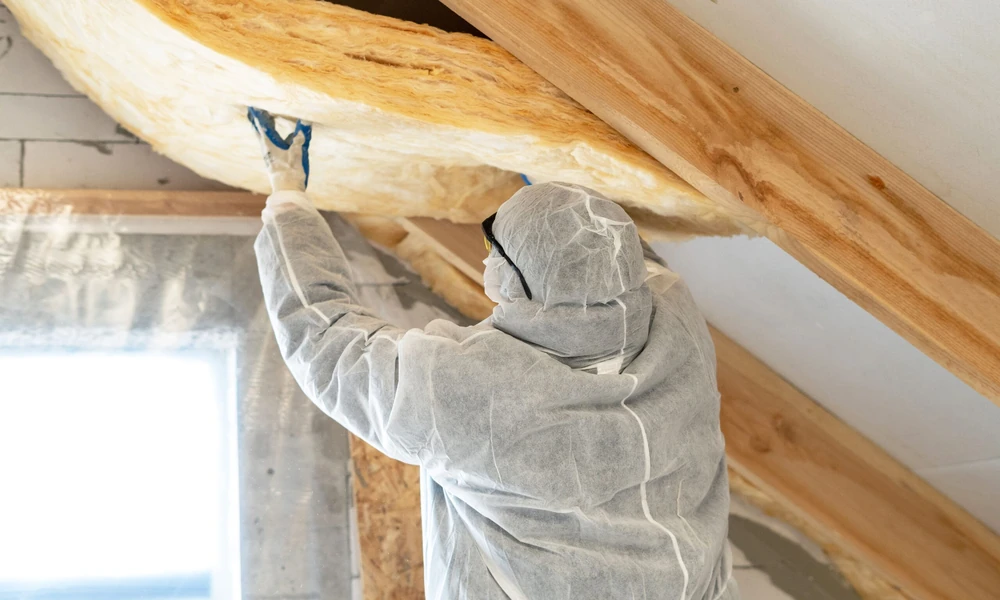
Fiberglass loose-fill is spun from molten glass and blown in as light, fluffy tufts. Cellulose is mostly recycled newsprint, shredded and treated with borate compounds that slow fire and discourage insects and mold.
The first real gap shows up in thickness. Fiberglass typically delivers somewhere around R-2.2 to R-2.9 per inch, while cellulose runs closer to R-3.2 to R-3.8. In practical terms, reaching R-49 takes roughly 17 to 20 inches of fiberglass against about 13 to 14 inches of cellulose. Push toward R-60 and the fiberglass pile climbs past 21 inches, which matters in older Michigan bungalows and capes where the roof slopes down close to the ceiling joists at the eaves.
The targets Michigan attics are measured against
ENERGY STAR’s guidance for zone 5 calls for R-60 in an uninsulated attic and roughly R-49 added on top of an existing three or four inches, figures drawn from the 2021 energy code. Michigan filed rules in 2025 that would have raised new-home ceilings to R-60, but a builders’ lawsuit put the residential update on hold, so the older code still governs new construction. For a retrofit, the code minimum is less relevant than the recommendation, and many installers now treat R-60 as the sensible finish line when the attic has room.
One detail worth confirming on any blown-in job is the depth markers. Code requires rulers stapled to the framing so inspectors and future owners can see installed depth, generally one for every 300 square feet. A tidy attic with no markers is a reason to ask questions.
Weight, settling and the drywall below
Cellulose is the heavier material, often two to three times the weight of fiberglass per cubic foot, and fiberglass is the lighter load that rarely stresses a ceiling. On most homes this is a non-issue. On a 1950s or 1960s house with half-inch drywall fastened to framing 24 inches apart, a deep layer of cellulose can encourage visible sagging over time, so installers check ceiling thickness and spacing before choosing.
Settling cuts the other way. Cellulose settles more after installation, while fiberglass holds its blown height fairly well. Every bag carries a coverage chart, required under the federal R-value rule, that lists both the initial installed thickness and the settled thickness for each R-value. A good crew blows to the initial number so the settled depth still hits the target.
Air, water and the roof overhead
Cellulose is dense enough to slow air drifting through the insulation layer, which helps in an attic where winter winds push cold air in through soffit vents. Fiberglass relies more on the air sealing beneath it, and cellulose forgives small gaps a bit better, though neither one replaces sealing top plates, can lights, bath fan housings and the attic hatch first.
Water reverses the picture. If a roof leak or ice dam backs moisture into the attic, wet cellulose mats down and holds water against the drywall, sometimes needing removal, whereas fiberglass lets water pass through and can dry, though it may lose loft where it got soaked. This is why the roof and the insulation belong in the same conversation. Michigan homes see ice dams when attic heat melts snow on the upper roof and the water refreezes at the cold eaves. Thick insulation helps, but only if baffles keep at least an inch of clear airflow between the insulation and the roof sheathing at each vent, and blown material of either type will bury soffit intake if those baffles are missing.
| Attic situation | Fiberglass tendency | Cellulose tendency | Check before choosing |
|---|---|---|---|
| Half-inch drywall on 24-inch framing | Light load, low sag risk | Heavier, may sag older ceilings | Ceiling thickness and joist spacing |
| History of leaks or ice dams | Dries out, may lose loft | Absorbs water, can mat | Fix roof and ventilation first |
| Many can lights and wiring gaps | Depends heavily on air sealing | Slows air movement better | Seal bypasses before blowing |
| Topping up old batts | Blends easily, adds little weight | Adds R-value in less depth | Remove wet or rodent-damaged material |
| Low eaves and tight roof pitch | Needs more depth for the same R | Reaches target in fewer inches | Baffle every rafter bay at the vents |
| Past mouse activity | No pest deterrent | Borate treatment discourages pests | Clean and seal entry points |
Cost, rebates and timing
Installed pricing for the two materials in metro Detroit usually lands close enough that the attic’s condition, not the price tag, tends to make the decision. Utility efficiency programs from DTE and Consumers Energy have long offered insulation rebates, and offers change often enough that checking before you schedule is worth it.
Income-qualified households have a larger option through the state’s Michigan Home Energy Rebates program run by EGLE, which covers insulation and air sealing through registered contractors and pays the rebate directly to the contractor. Participation in its Detroit district recently neared the funding cap for single-family projects, which led to a temporary pause in new approvals there, so metro-area homeowners should confirm status before planning around it.
Fall is the natural window. Attics are cool enough to work in, and the upgrade is in place before the first hard freeze. If a roof replacement is already on the calendar, pairing the two makes sense, since crews can correct ventilation, add baffles and inspect decking while the roof is open. Full tear-offs generally need a permit from the local building department in most Southeast Michigan communities, while blown-in top-ups often do not, though rules vary by township.
Choosing between them
Neither material wins everywhere. Cellulose earns its place in attics with plenty of bypasses, tight eave space or a mouse history, provided the ceiling can carry the weight and the roof is dry. Fiberglass suits older, thinner ceilings and homes where a past leak makes moisture tolerance more valuable than density. In both cases the result depends less on the bag than on what happens before the hose comes out: sealed bypasses, clear vent channels and a roof that keeps water out. Get those right, and either material will hold the heat where Michigan homeowners want it, inside the house.