How to Know When Your Roof Needs Repair, Replacement, or Just a Little Care

Your roof works hard every day, and you rarely think about it until something goes wrong. A stain on the ceiling, a few missing shingles after a storm, or a surprise energy bill can all point to trouble overhead. Knowing what to look for helps you act early, when fixes are smaller and cheaper.
Homeowners who start with research tend to make better decisions, whether they are comparing materials or vetting a roofing company in Howell and the surrounding area. This guide covers the warning signs, the repair-or-replace decision, material options, and questions that help you hire well.
Warning Signs Worth Taking Seriously
Some roof problems are obvious. Others develop quietly for years. Check for these signals a couple of times a year, ideally in spring and fall.
From the ground:
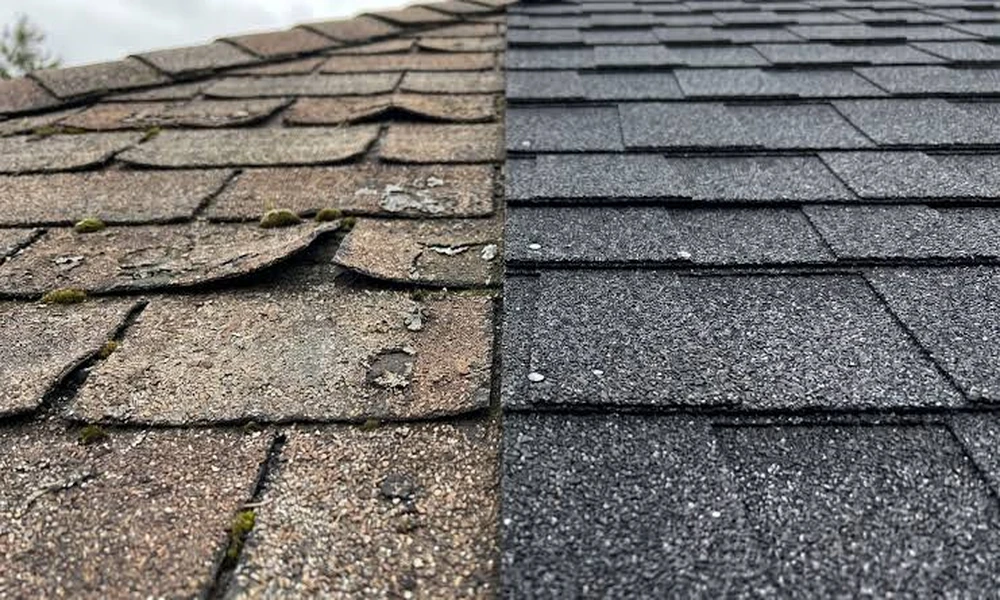
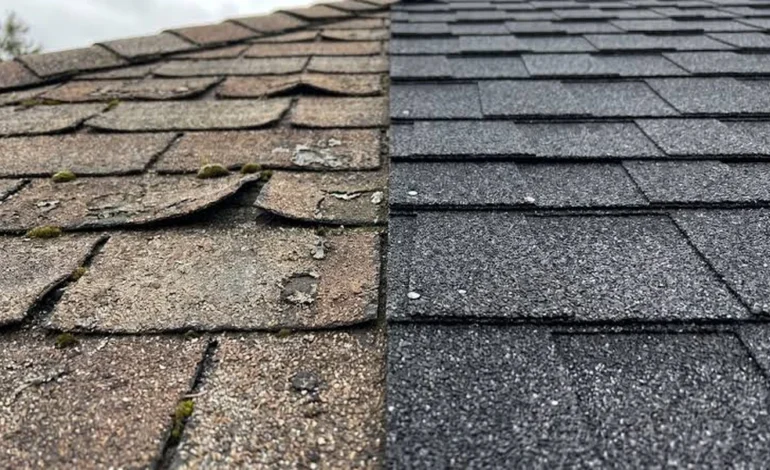
- Shingles that are curling, cracked, or missing
- Dark streaks or patches of moss
- Sagging areas along the roofline
- Granules collecting in gutters, which look like coarse sand
From inside the home:
- Water stains on ceilings or walls
- Daylight visible through the attic boards
- Damp or musty insulation
- Peeling paint near the roofline
A pair of binoculars lets you inspect a roof safely from the yard. There is no need to climb up, and walking on a roof can cause damage or injury.
Repair or Replace? A Quick Comparison
This is the question that causes the most hesitation. The right answer depends on the roof’s age, the extent of the damage, and your plans for the home.
| Factor | Repair Usually Makes Sense | Replacement Usually Makes Sense |
|---|---|---|
| Age | Under roughly 15 years (asphalt) | Approaching or past 20 years |
| Damage | Localized to one area | Widespread or recurring |
| Leaks | Single, traceable source | Multiple leaks in different spots |
| Structure | Deck is solid | Deck is soft, sagging, or rotted |
| Budget | Short-term fix needed | Long-term solution preferred |
These are general guidelines, and a written inspection from a qualified professional gives a more reliable answer. If you are repairing the same roof for the third time in two years, you are probably paying for a replacement in installments.
Understanding Your Material Options
Roofing materials differ in lifespan, weight, appearance, and upkeep. No single choice is best for every house.
Asphalt shingles are the most common choice in the United States because of their lower upfront cost and wide range of styles. Their lifespan is typically shorter than premium alternatives.
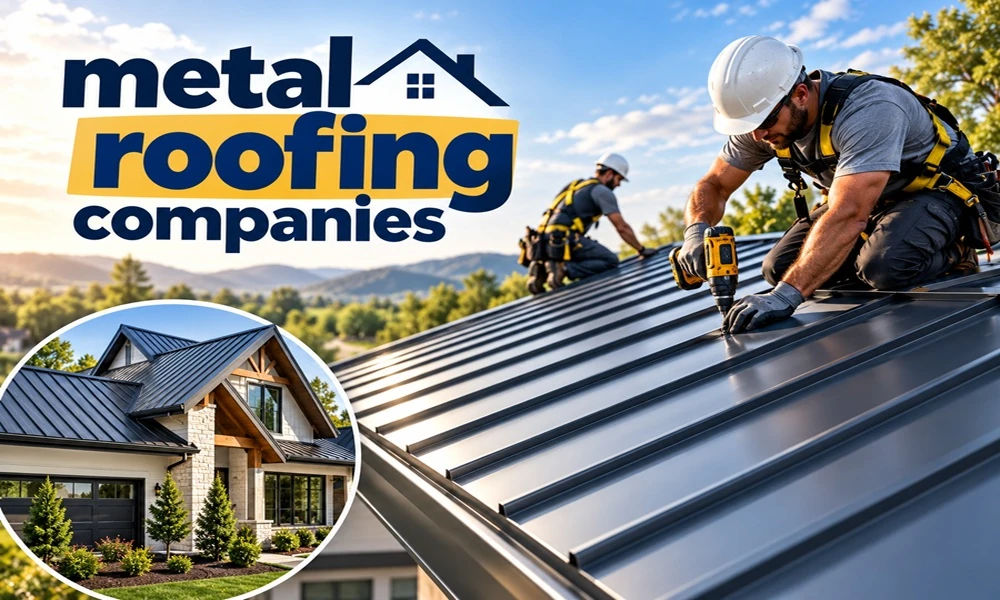
Metal roofing sheds snow and rain efficiently and can last decades. It costs more initially, but many owners value the durability.
Architectural (dimensional) shingles are thicker than basic three-tab shingles. They offer better wind resistance and a more textured look.
Slate and tile are long-lasting and attractive but heavy, so your home’s structure must be able to support them.
Climate matters here. Roofs in areas with heavy snow, freeze-thaw cycles, and summer heat need materials and underlayment that handle both extremes.
Don’t Overlook Energy Performance
A roof affects your comfort and utility bills more than most people expect. Attic insulation, ventilation, and the roof’s color and reflectivity all influence how much heating and cooling your home needs.
Replacement is also a natural moment to consider other upgrades. The U.S. Department of Energy notes that an average of 2.3 million single-family homes a year will need a roof replacement over the next decade, and that pairing replacement with solar can reduce combined costs. Even if solar isn’t on your radar, it is worth asking about insulation, ventilation, and reflective materials while the roof is already open.
What a Good Roofing Project Looks Like
Reliable projects tend to follow a similar sequence. Knowing it helps you spot corners being cut.
- Inspection and written estimate. The scope, materials, and price should be itemized, not summarized in one line.
- Contract review. Confirm start dates, payment terms, warranty details, and who handles permits.
- Material delivery and site protection. Landscaping, siding, and windows should be covered or shielded.
- Tear-off and deck check. Damaged decking should be replaced before new materials go on.
- Installation. Underlayment, flashing, ventilation, and shingles are installed to manufacturer specifications.
- Cleanup and final walkthrough. Nails should be magnetically swept from the yard, and you should review the work before final payment.
Questions to Ask Before You Sign
The way a contractor answers these tells you as much as the answers themselves.
- Are you licensed and insured, and can I see proof of both?
- Who will be on my roof, employees or subcontractors?
- What manufacturer warranties apply, and what does your workmanship warranty cover?
- How do you handle unexpected decking damage, and how is it priced?
- Can you provide recent local references I can contact?
Be cautious of anyone who pressures you to decide on the spot, asks for full payment upfront, or shows up uninvited after a storm offering a “special deal.”
Quick Answers to Common Questions
How often should a roof be inspected?
Once or twice a year, plus after severe weather such as hail or high winds.
Can a roof be installed in cold weather?
Yes, though some materials, especially asphalt shingles, seal better in moderate temperatures. A good installer will plan around the forecast.
Does a new roof raise a home’s value?
Often, yes. Buyers see a recent roof as a major expense they won’t have to cover. The exact return varies by market and material.
Is a leak always an emergency?
Active leaks should be handled quickly, since trapped moisture can lead to mold and structural damage. A temporary tarp can protect the home until repairs are made.
The Takeaway
A roof rarely fails without warning. If you inspect it regularly, understand your options, and ask direct questions before hiring, you can protect your home without overspending. Start with a calm assessment, get a written scope of work, and don’t rush the decision. A well-planned roof project gives you years of quiet protection.