The Ultimate Roofing Showdown: Style, Strength, and Savings


One of the most crucial choices you will make while installing or replacing the roof of your house is the type of roofing material to use. The material has an impact on your home’s durability, upkeep, cost, and energy efficiency in addition to its appearance. Slate, tile, metal roofing, and asphalt shingles are common choices for residential roofing; each has pros and cons of its own. Understanding the properties of these materials will assist you in selecting a roof that complements your preferred style, climate, and financial constraints.
Asphalt Shingles: Inexpensive and Adaptable
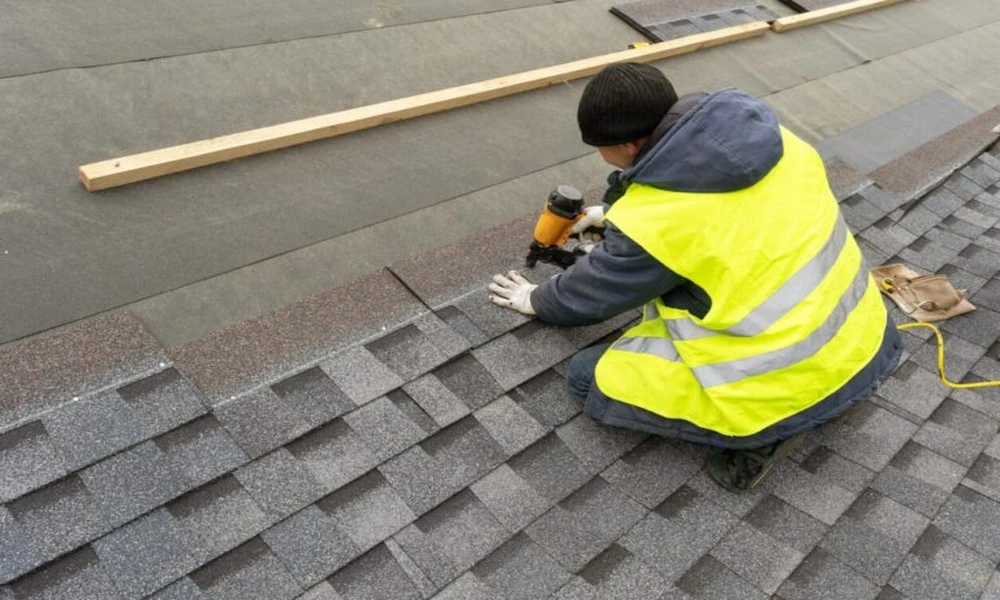
The most popular roofing material in North America is asphalt shingles, which are chosen for their variety of shapes and colors, price, and ease of installation. They thrive in a variety of climates and usually live 15 to 30 years. Additionally, because they are lightweight, the home’s structural stress is decreased. On the other hand, asphalt shingles may deteriorate more quickly in extremely hot or cold temperatures and are susceptible to wind damage. Despite typically requiring little upkeep, their petroleum-based makeup makes them less environmentally friendly than some alternatives.
Metal Roofing: Durable and Energy Efficient
Metal roofs have become more and more popular because of their exceptional resilience to weather conditions including wind, snow, and severe rain, as well as their extended lifespan, often 40 to 70 years. They are an eco-friendly choice because they are recyclable and lightweight. In warmer climates, metal roofing can lower cooling expenses by reflecting solar radiation. A higher initial cost and possible noise during rain or storm are the drawbacks. Professional installation is also necessary for metal roofs in order to guarantee adequate sealing and prevent problems like denting.
Tile Roofing: Classic Beauty and Longevity
With lifespans of 50 to 100 years, clay or concrete tiles provide a classic, Mediterranean-style appearance together with remarkable endurance. Tiles can endure severe weather conditions and are resistant to fire and insects. However, their weight is a significant factor because tile roofs need a strong roof frame to sustain the weight.
Slate Roofing: Luxury and Ultimate Durability
Slate is one of the most costly roofing materials because of its beauty and longevity, lasting over a century. Slate’s fireproofness and environmental friendliness boost a home’s value. Cost and weight are slate’s main downsides, requiring reinforced roofs. Slate requires specialist installation and care because it is less foot-friendly than other roofing materials.
Conclusion
The optimal roofing material depends on your budget, aesthetic preferences, local climate, and structural needs. Slate is the most durable and luxurious, metal roofing is energy efficient and durable, asphalt shingles are versatile and affordable, and tile is timeless and beautiful. A professional roofing specialist can help you evaluate these factors and choose the material that will best protect your home and increase its exterior appeal for years.